
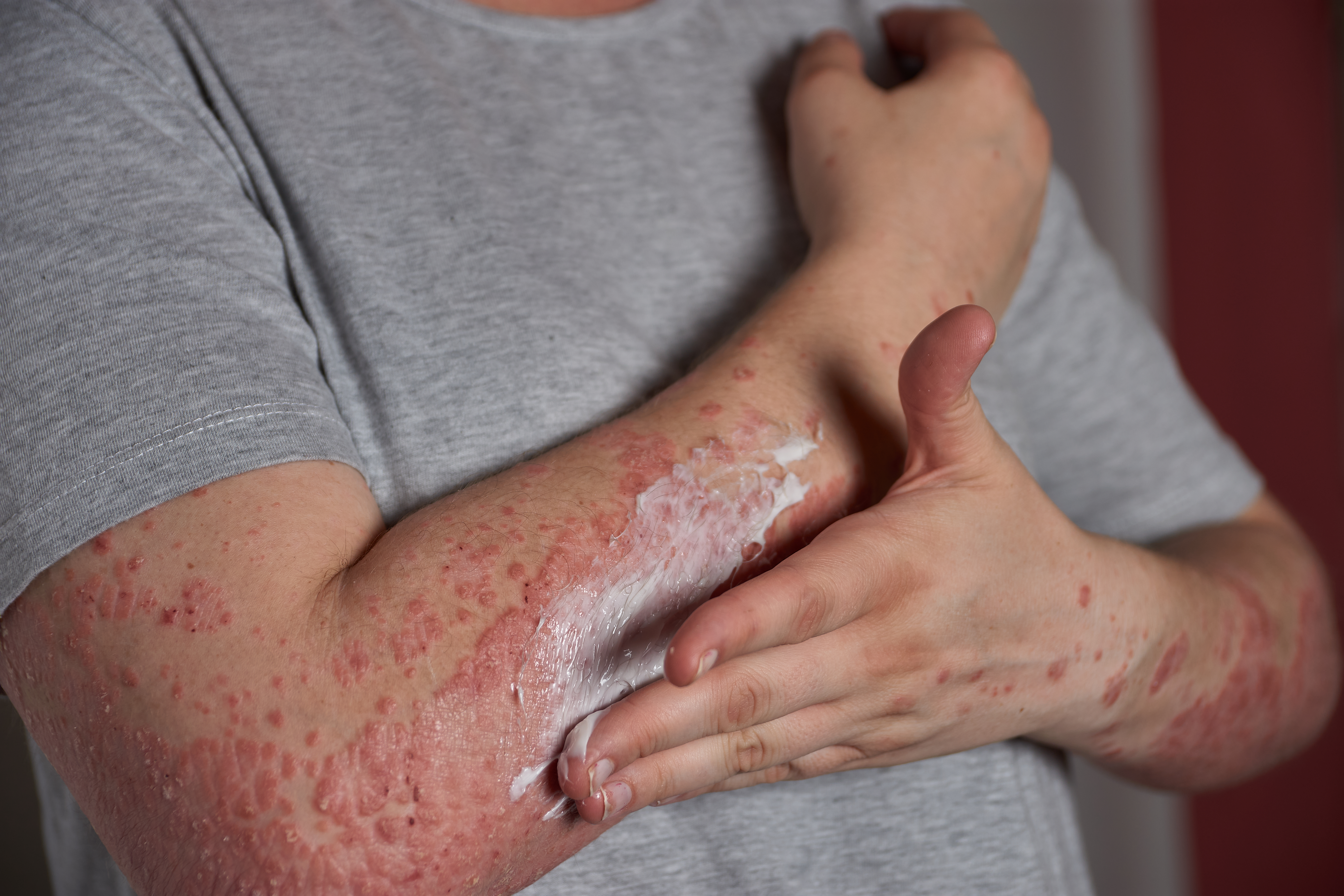
Psoriasis is a long-lasting skin condition that affects millions of people worldwide. It causes red, scaly patches on the skin. These patches can be itchy and sometimes painful. Because psoriasis is a chronic disease, it often comes and goes throughout a person’s life. Although it is not contagious, it can impact daily life and self-esteem. Early recognition of psoriasis symptoms and proper skin care for psoriasis can help manage the condition. Understanding its causes, diagnosis, and treatment options is important for anyone affected by psoriasis.
Symptoms of Psoriasis
Psoriasis symptoms can look different for each person. However, some signs are common. Knowing these symptoms can help you spot the condition early. For example, you may notice:
Sometimes, symptoms get worse during certain times, called flare-ups. But with the right psoriasis treatment, these flare-ups can be managed.
Causes and Risk Factors
Psoriasis happens when the immune system attacks healthy skin cells by mistake. As a result, skin cells grow too quickly and build up on the surface. The exact cause is not fully known. However, several risk factors can increase your chances of getting psoriasis. For instance:
Although anyone can get psoriasis, it often starts between ages 15 and 35. But it can appear at any age.
Diagnosis of Psoriasis
Doctors usually diagnose psoriasis by looking at your skin. They may ask about your symptoms and family history. Sometimes, a small sample of skin is taken for testing. This is called a biopsy. The test helps rule out other skin problems. Early diagnosis is important because it helps you start the right treatment sooner. If you notice any psoriasis symptoms, it is best to see a dermatologist.
Treatment Options
There are many ways to treat psoriasis. The best psoriasis treatment depends on how severe your symptoms are. Some common options include:
Because each person is different, your doctor will help you find the best plan. In addition, regular skin care for psoriasis is important to keep your skin healthy.
Lifestyle Tips and Prevention
While you cannot always prevent psoriasis, certain habits can help manage symptoms and reduce flare-ups. For example:
Additionally, joining a support group can help you cope with the emotional impact of psoriasis.
When to See a Dermatologist
It is important to seek medical advice if you notice new or worsening skin changes. For instance, see a dermatologist if:
Early care can help prevent complications and improve your quality of life.
Frequently Asked Questions (FAQs)
Conclusion
Psoriasis can be a chronic but manageable skin condition with the right care and treatment. If you notice persistent itching, red patches, or scaling on your skin, don’t ignore the symptoms. Consult the specialists at Gracious Neuro, Skin, Hair & Laser Clinic for expert diagnosis and personalized treatment options. Early intervention can help control flare-ups, improve skin health, and enhance your overall well-being.